By: Mokhtar Hosny
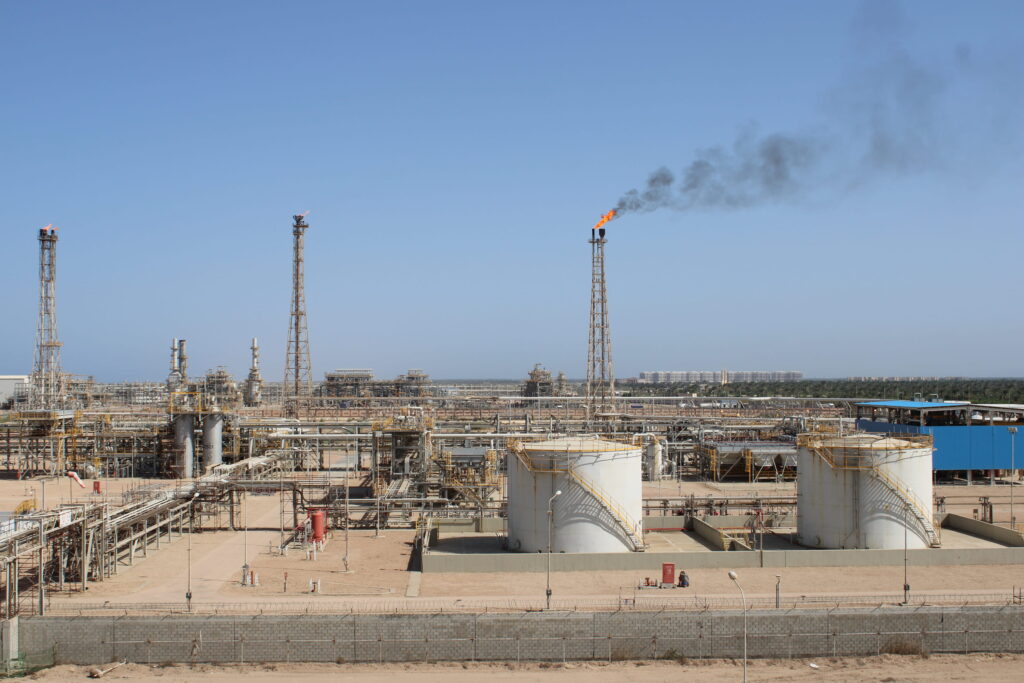
Gas Factory – Egypt
We must understand that industrial facilities produce different types of products, either as final products or intermediate products during processing. Some products are safe to handle, while others are flammable and may create an explosive atmosphere if released due to a leak. Therefore, industrial facilities differ in the level of risk associated with their products and processes.
Consider two examples: an oil & gas or petrochemical plant and a water treatment station. Do these facilities share the same level of hazard? Certainly not. Water is a safe product that poses minimal health or fire risks under normal conditions. In contrast, hydrocarbons processed in oil & gas and petrochemical facilities are often flammable and can create serious hazards when released.
If a leak occurs in a water pipeline or storage tank, it is usually not considered a major safety concern, and maintenance personnel can repair it with minimal risk. However, if a leak occurs in a process pipeline carrying flammable hydrocarbons, the consequences can be severe. Any ignition source near the leak could ignite the released gas or vapor, resulting in fire or explosion. For this reason, operations, maintenance, and safety personnel must work together to implement effective risk control and maintenance procedures.
Even the tools and portable measuring instruments used for maintenance in oil & gas facilities may differ from those used in ordinary industrial applications. Standard steel tools can generate sparks if struck against metal surfaces. In the presence of a flammable atmosphere, such sparks could ignite the released gas. Therefore, non-sparking tools, such as those made from copper-beryllium or aluminum-bronze alloys, are often required when working in hazardous areas.